Introduction
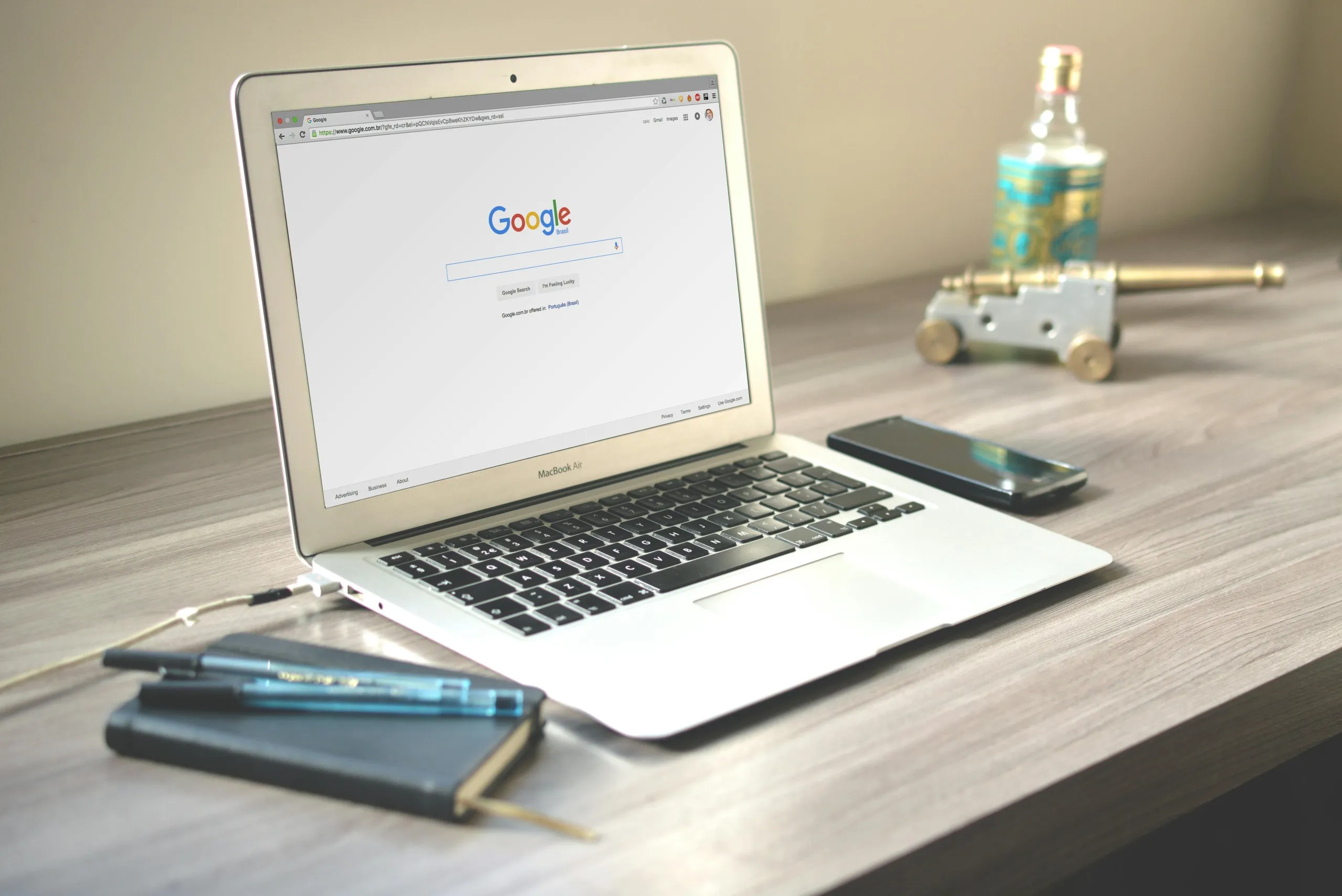
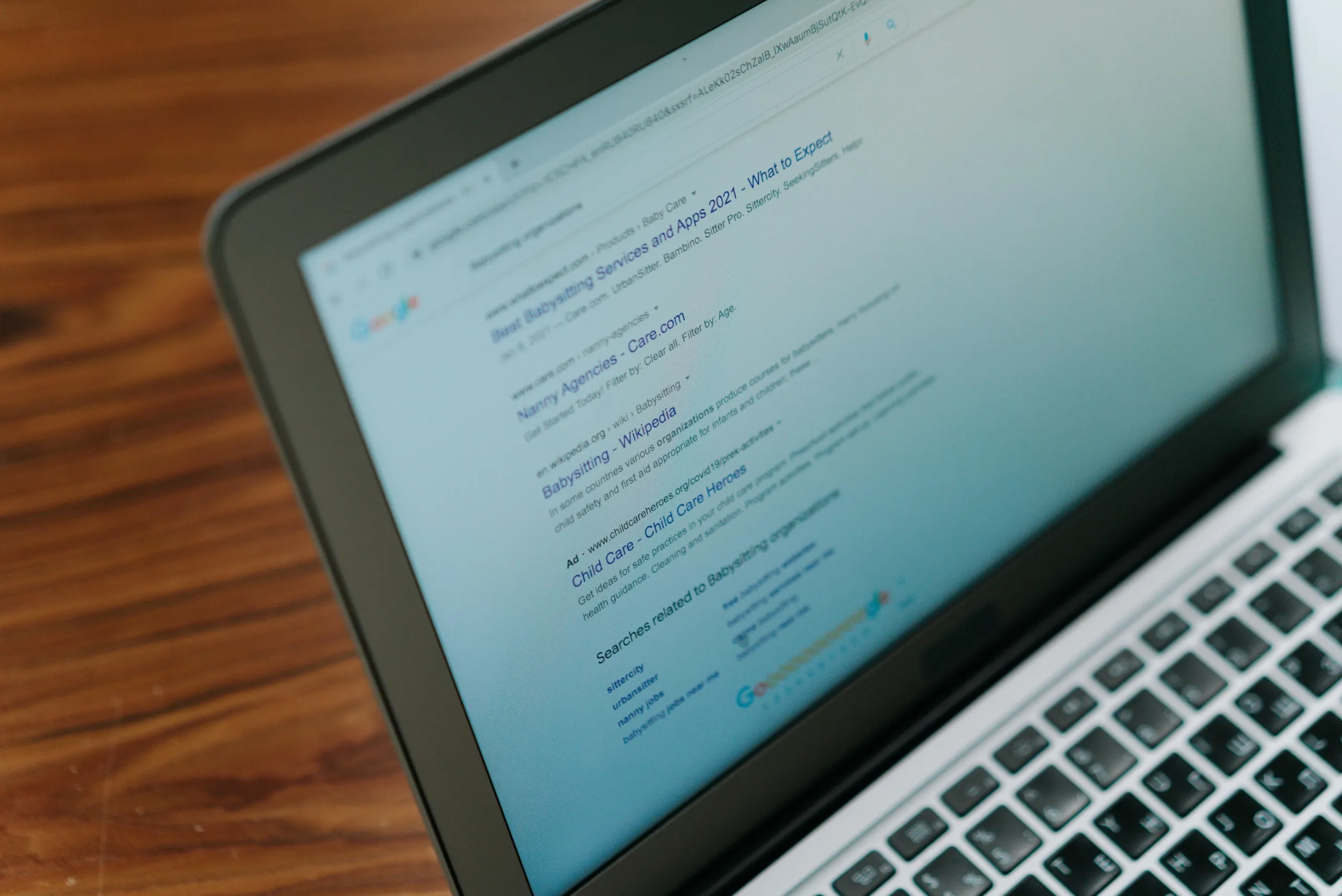
If you’ve searched for something on Google and found your answer right away without clicking a link, you’ve experienced a zero-click search. These occur when Google displays information directly on the search results page, such as quick facts, featured snippets, knowledge panels, or the AI Overview.
For marketers, this shift poses both challenges and opportunities. While it reduces traditional website traffic, it also opens new ways to position your brand where people are already looking. This is where digital marketing becomes more strategic than ever.
According to Search Engine Journal, nearly 60% of Google searches now end without a click. That means over half of your potential audience might get the information they need without visiting your site. Understanding how to adapt to this change is key to staying relevant.
Why Zero-Click Searches Matter
Zero-click searches change how visibility works. Before, ranking first meant more clicks and more traffic. Now, being visible in snippets or other search features matters just as much as ranking. Google aims to keep users on the results page by providing them with fast and reliable answers.
That means your content must be optimized not just for ranking, but also for recognition. Your goal is to make sure your brand is the one users see, even if they don’t click through. A strong digital marketing plan helps you do that by focusing on authority, structure, and trust.
Optimizing for Featured Snippets
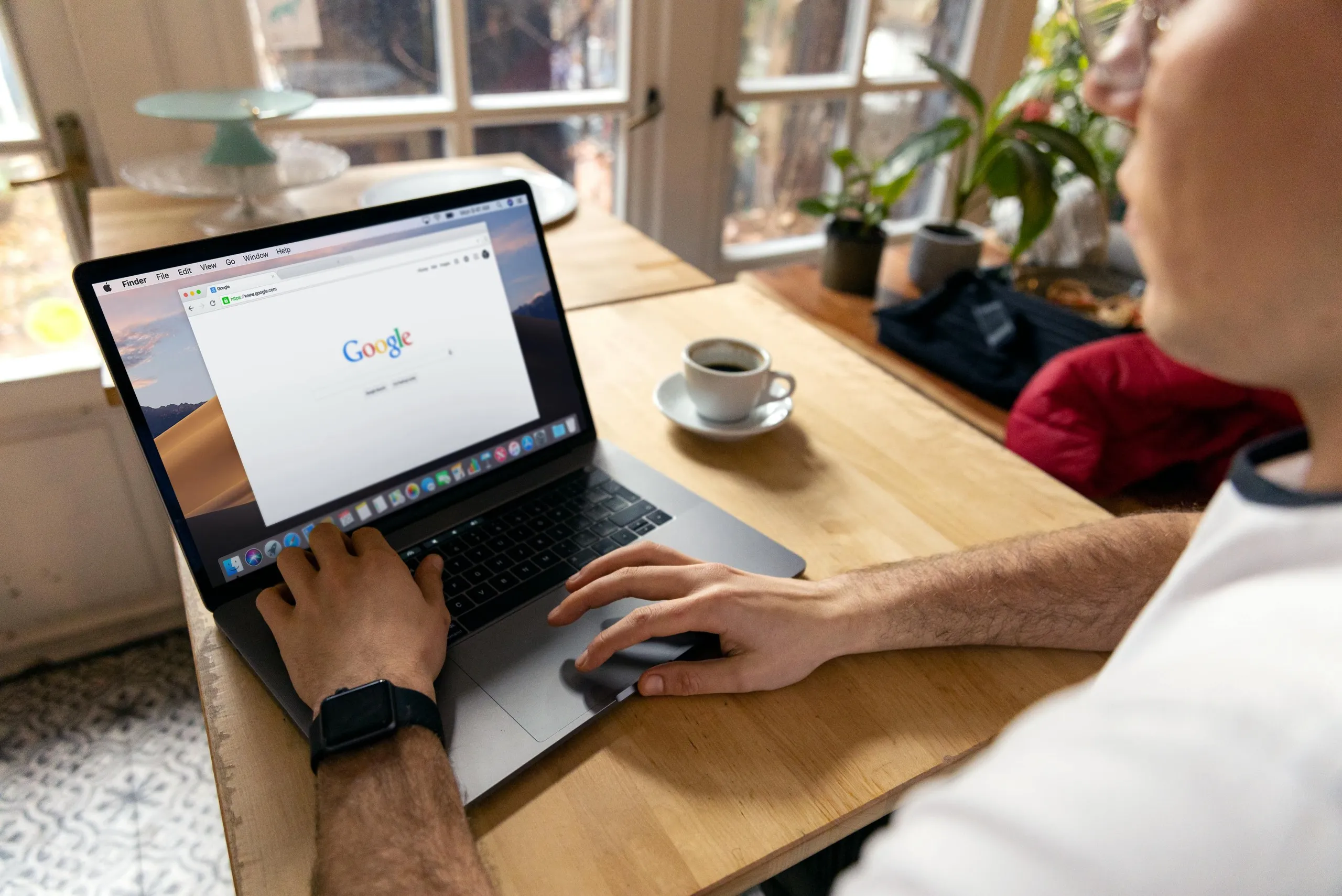
Featured snippets are the boxes at the top of Google results that show definitions, lists, or direct answers. Getting your content featured here can help establish your brand authority. To do this, write clear and concise answers to common questions related to your niche. Use headers, bullet points, and plain language so Google can easily extract relevant text.
You should also use structured data markup. This helps search engines understand the meaning of your content, not just its surface-level meaning. For instance, FAQs, product details, or reviews tagged correctly can increase your chances of appearing in a snippet.
According to HubSpot, structured content and clear formatting are among the strongest predictors of snippet placement.
How AI and Zero-Click Searches Work Together
Artificial intelligence has completely reshaped how people find and consume information. Google’s AI-powered search experiences, including its Search Generative Experience (SGE), are designed to predict what users want before they even finish typing. This has made zero-click searches more dynamic and personalized.
AI tools gather context from a user’s previous searches, location, and preferences to deliver answers instantly. For businesses, this means that your content must not only be optimized for keywords but also for context and intent. AI doesn’t just pull facts — it summarizes them, providing users with the most relevant and trustworthy results in real-time.
To stay competitive, marketers must understand how AI identifies relevance. It values expertise, authority, and trust (known as E-A-T in SEO). If your content demonstrates real knowledge, cites credible sources, and answers questions in a human, conversational tone, it’s more likely to appear in AI-generated snippets.
This integration of AI and search means digital marketing will rely more heavily on understanding human behavior and search intent. Marketers who master this connection will have a significant advantage in terms of visibility and credibility.
The Role of Branded Searches
Zero-click searches make brand familiarity more important than ever. If users recognize your business name in a featured snippet or top result, they’re more likely to trust and remember it. Building that trust requires consistent branding and visibility across your channels.
When users eventually do need deeper insight, they’ll look for you directly. This is why brand-building should be an essential part of your digital marketing strategy.
Shifting Goals: From Clicks to Visibility
While clicks are still valuable, visibility now drives credibility. A user who sees your name several times across search results starts to associate you with authority. That impression can influence their decisions later when they’re ready to buy, sign up, or reach out.
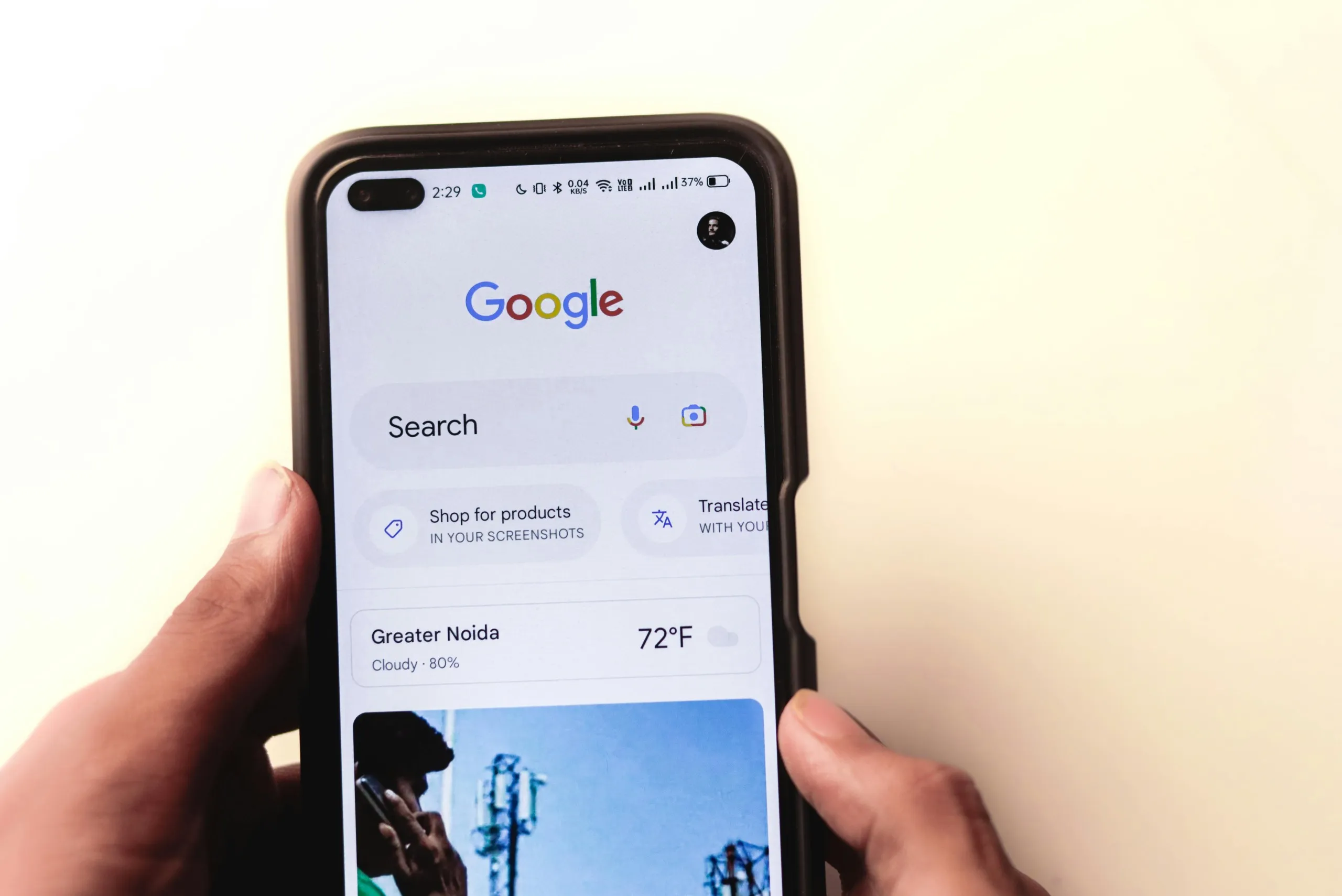
To adapt, you should track more than just clicks. Measure impressions, engagement, and branded search volume to track the effectiveness of your marketing efforts. These indicate whether your brand awareness is increasing, even if traffic appears to be stagnant.
Diversifying Content Beyond Search
Relying solely on search traffic is risky in the zero-click era. A solid digital marketing approach spreads your presence across multiple platforms. That includes YouTube, LinkedIn, and social media, where engagement drives discovery instead of clicks.
Publishing long-form blog posts, videos, and carousel content can also strengthen your authority. The more your brand appears across trusted channels, the more Google recognizes your credibility.
Adapting Your Digital Marketing Strategy
An effective digital marketing strategy in this landscape focuses on intent. Users want instant answers, clarity, and trust. That means your content should be more targeted and useful than ever.
Here’s how to adapt:
- Focus on high-intent keywords where users want detailed answers.
- Write in Q&A format to increase your snippet chances.
- Add schema markup for reviews, FAQs, or products.
- Optimize titles and meta descriptions to clarify your relevance.
- Ensure your brand appears consistently across all search results.
If you offer digital marketing services, this approach becomes a selling point. Clients need help adapting to these changes, and positioning yourself as the expert who understands zero-click behavior can help you stand out.
The Importance of Local SEO
For businesses targeting nearby clients, local visibility is everything. Zero-click searches often show map results or business details without a site visit. Optimizing your Google Business Profile ensures people find you when they search phrases like “digital marketing agency near me.”
Encourage satisfied clients to leave reviews and update your business hours and photos regularly. These details affect how often Google displays your profile in local search results.
Using Data to Measure Success
Tracking zero-click performance requires looking beyond web analytics. Use Google Search Console to monitor impressions, positions, and queries. A rise in impressions without clicks isn’t necessarily bad; it could mean your visibility is improving.
Also, continue to compare branded versus non-branded searches. Growth in branded searches indicates better awareness, which often leads to conversions later on.
Preparing for the Future of Search
Search engines are becoming more conversational and AI-driven. Tools like Google’s Search Generative Experience (SGE) will expand the reach of zero-click answers. To stay ahead, focus on writing content that provides context, depth, and expertise.
Brands that publish authentic, useful information will continue to appear in AI-powered summaries and snippets. The key is quality, clarity, and consistency.
Conclusion
Zero-click searches are transforming the way we measure success in digital marketing. They challenge brands to earn visibility, not just traffic. By adapting your content, improving structure, and strengthening your authority, you can thrive even when users don’t click.
Table of content
- Introduction
- Why Zero-Click Searches Matter
- Optimizing for Featured Snippets
- How AI and Zero-Click Searches Work Together
- The Role of Branded Searches
- Shifting Goals: From Clicks to Visibility
- Diversifying Content Beyond Search
- Adapting Your Digital Marketing Strategy
- The Importance of Local SEO
- Using Data to Measure Success
- Preparing for the Future of Search
- Conclusion