Introduction
If you’ve ever wondered whether to focus on Search Engine Optimization (SEO) or Geographic Targeting (GEO), you’re not the only one. As mobile search and AI-powered algorithms become more common, both local businesses and global brands are rethinking how to reach the right customers online. Using insights from Neil Patel, Moz, and Search Engine Journal, let’s look at how these strategies differ and why both are important.
What is Search Engine Optimization (SEO)?
SEO helps your website rank higher and attract more visitors from search engines.
SEO means improving your website so it appears higher in search results for keywords that matter to your business. Moz says good SEO includes keyword research, on-page optimization, quality content, off-page optimization, building backlinks, and technical fixes. The main goal is to get more visitors from search engines, no matter where they are.
What is Geographic Targeting (GEO)?
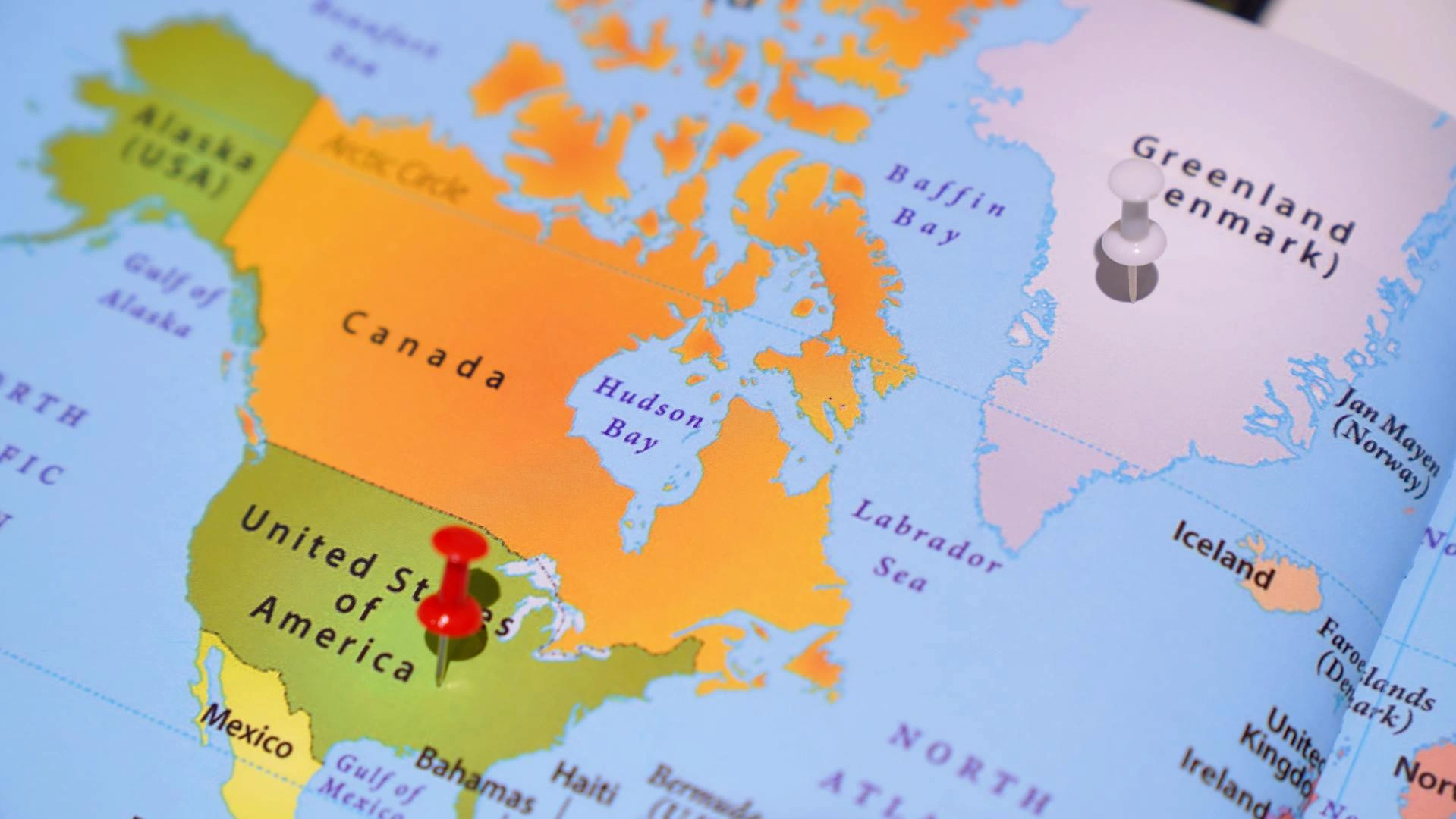
GEO helps you target your marketing to specific locations, making your message more relevant.
Geographic Targeting, or GEO, means tailoring your marketing and website content to people in specific regions, cities, or neighbourhoods. Neil Patel points out that this approach looks at language, culture, and local events, not just keywords. GEO is especially useful for businesses that depend on local customers or serve specific areas. Localized SEO bridges SEO and GEO for targeted local reach.
Localized SEO mixes regular SEO with Geographic Targeting so your business appears in local map results and ‘near me’ searches. Search Engine Journal says that updating your Google My Business profile, using local keywords, and getting reviews can boost your local search visibility and bring in more potential customers.
Integrating GEO and SEO in Your Digital Marketing Strategy
Using both SEO and GEO together helps your business reach more people and stay relevant.

Instead of picking just one, the best digital marketing strategies use both SEO and GEO. For example, a virtual assistance agency can use broad keywords like “best virtual assistance agency” (SEO) and also target “virtual assistance agency in Omaha, NE” (GEO and Localized SEO). This way, you can reach people everywhere and also connect with local customers who are ready to get your services.
Conclusion
When you understand and use both Search Engine Optimization and Geographic Targeting, you can create a digital marketing strategy that attracts more visitors and the right customers to your business.
Geographic Optimization (GEO) and Search Engine Optimization (SEO) are closely related but serve different purposes in modern Digital Marketing. While SEO focuses on improving your website’s overall visibility on search engines like Google, GEO targets specific locations, ensuring your content reaches the right audience in the right place at the right time.
GEO is critical for businesses with physical locations or location-specific services, as it drives local traffic, improves relevance, and increases conversions. Techniques include using localized keywords, optimizing Google Business Profiles, and creating content tailored to regional audiences.
Integrating GEO into your SEO strategy helps brands connect with nearby customers while maintaining strong overall search performance. By balancing global SEO efforts with geographic targeting, businesses can improve visibility, generate more qualified leads, and achieve measurable growth in local and regional markets.